Kverneland 9032-9035-9439-9442T-9443-9447T
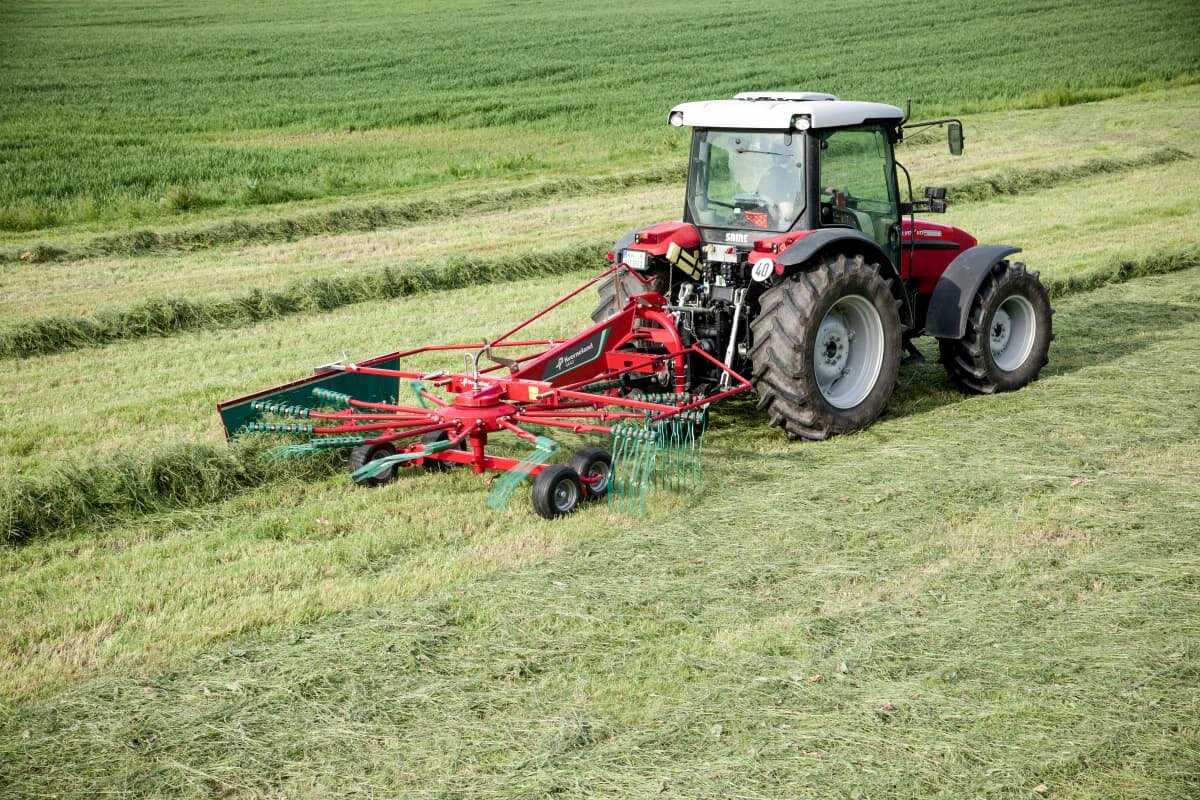
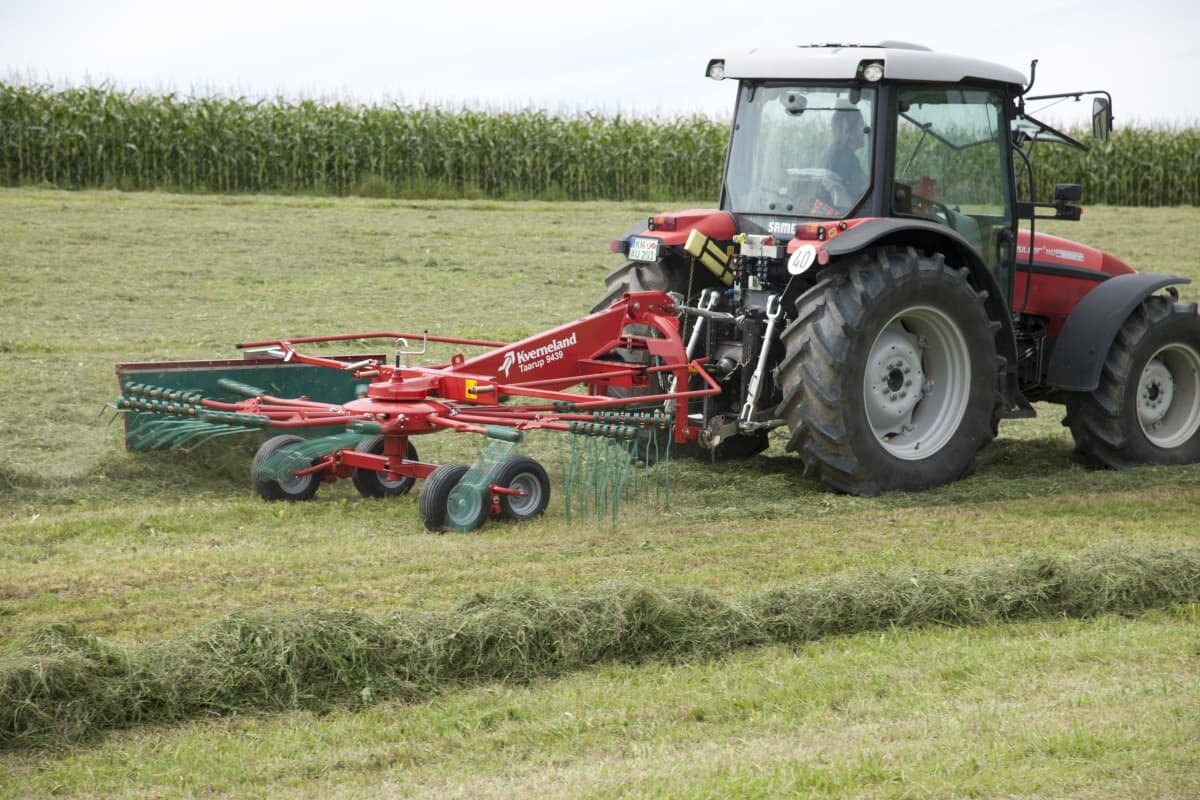
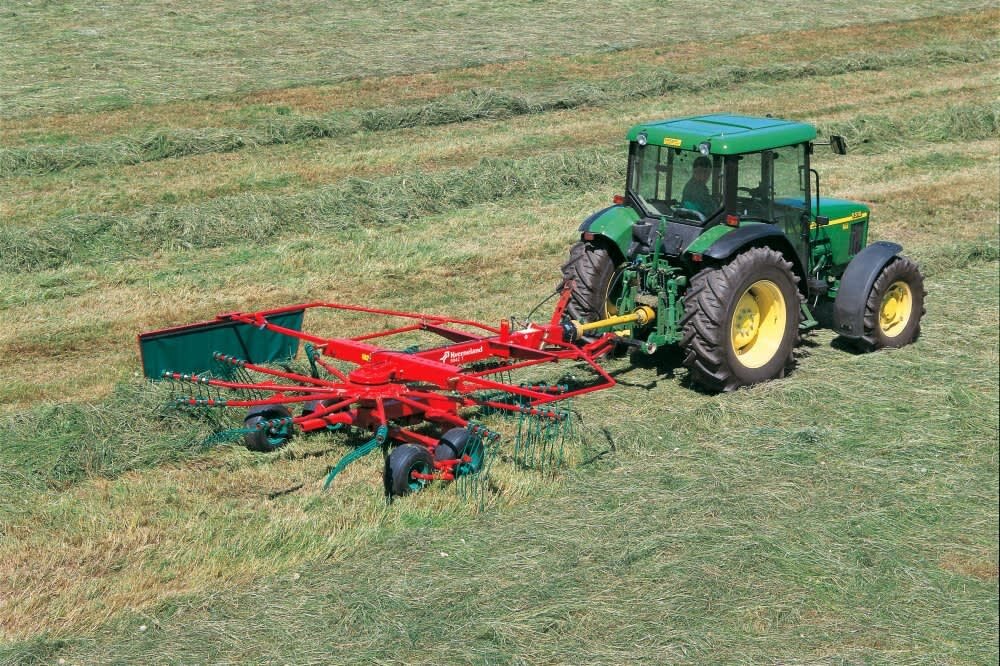
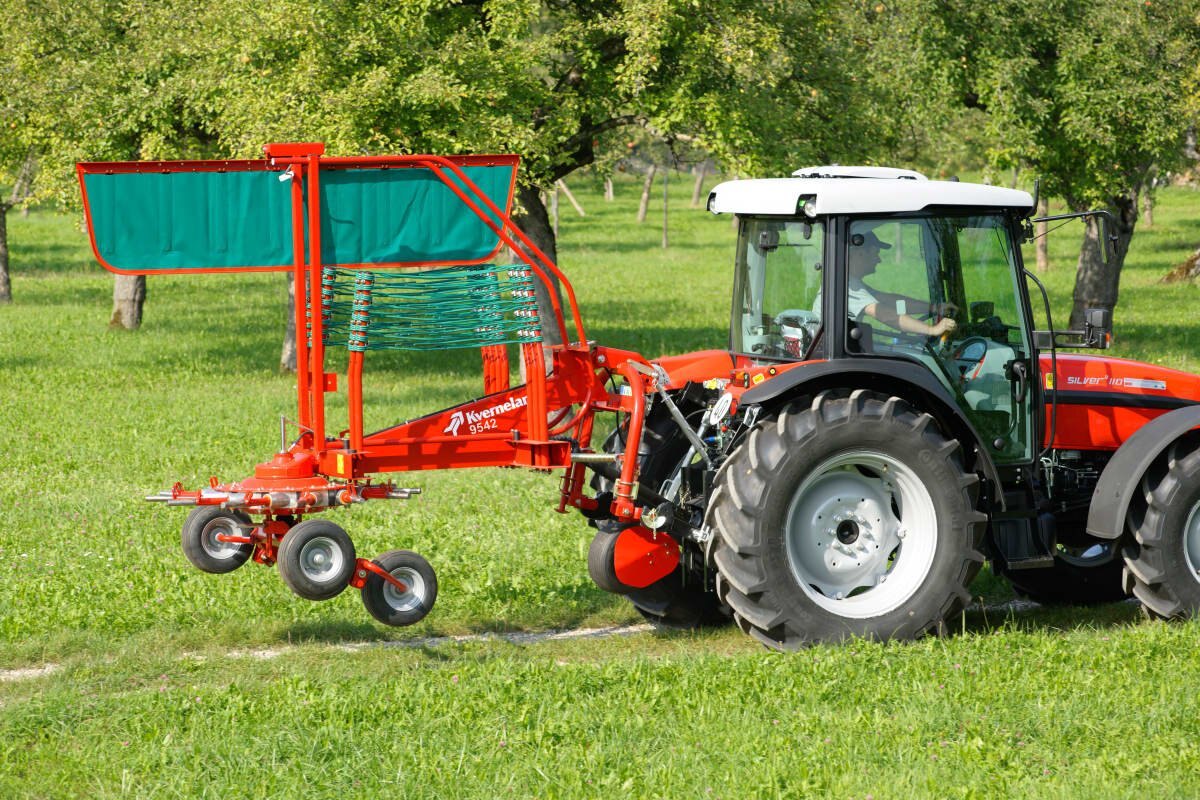
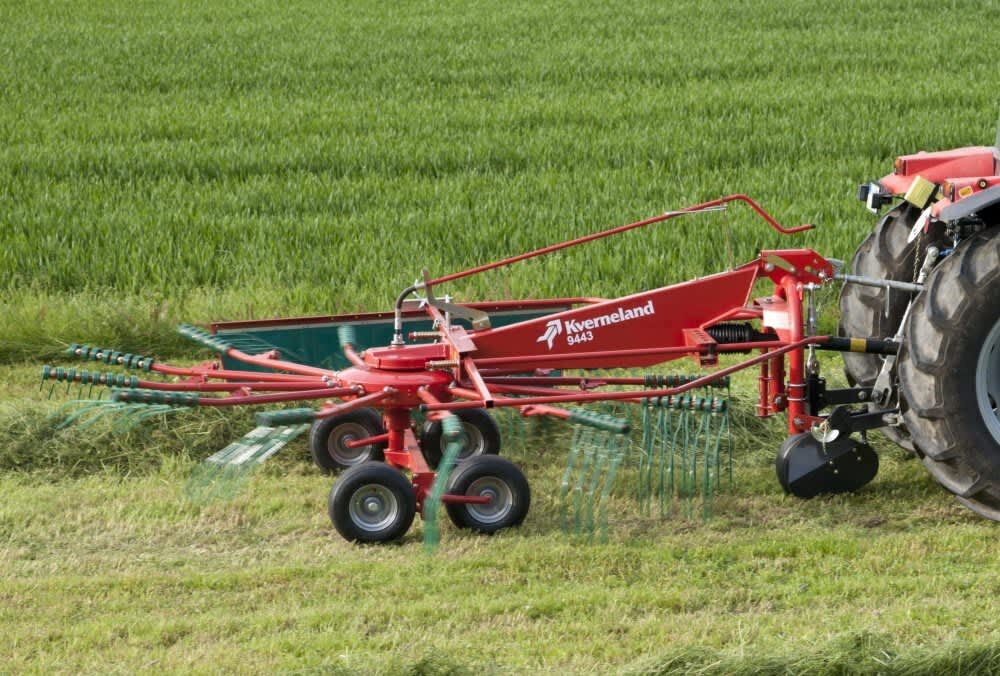
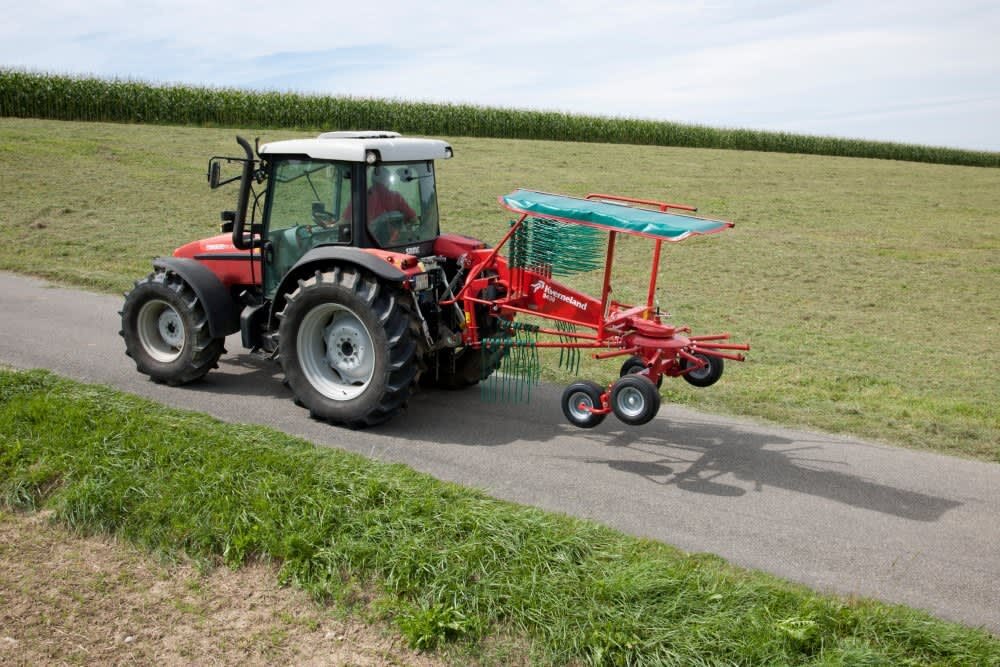
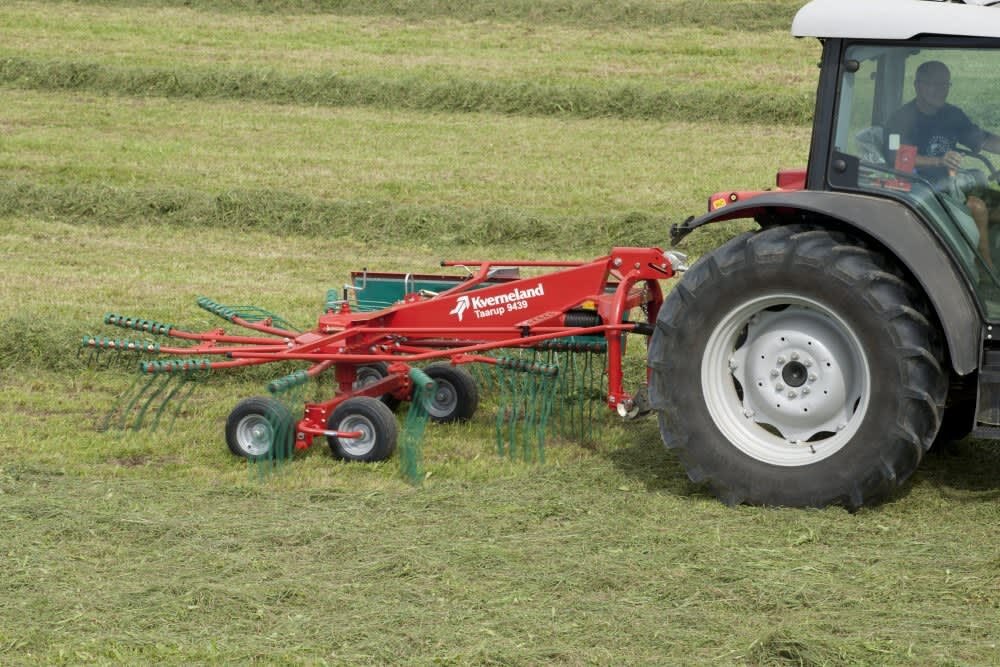
Compact, maintenance friendly, single rotor rakes in working widths of 3 ...


Overview
|
Compact, maintenance friendly, single rotor rakes in working widths of 3.20 to 4.70m. |
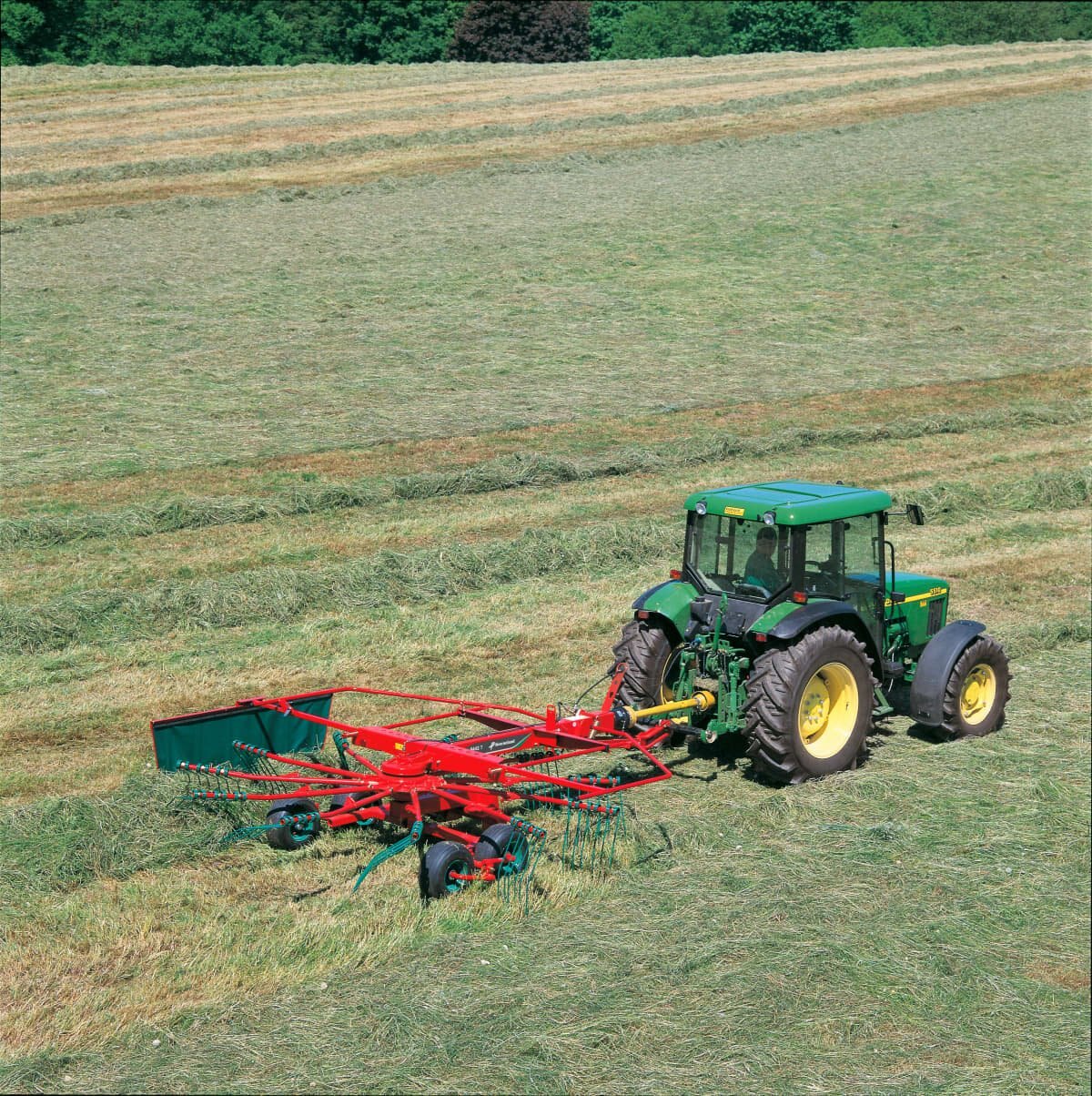
Compact Single Rotor RakesKverneland offers several compact single rotor rakes, designed for use on low horsepower tractors, but which still deliver considerable working width. Kverneland single rotor rakes offer working widths of 3.20-4.70m. With the option of pivoting, fixed three-point linkage mounting and a trailed version, there is a model to suit all needs. All rakes (except 9442T) have mechanical height adjustment via a crank, with the possibility of adjusting to the individual field conditions. |
Specifications
Model
9032-9035-9439-9442T-9443-9447T
Category Name
Agriculture
Sale Type
New
Manufacturer
Kverneland
Quantity
0
Manufacturer Qty
0
Gallery


technical specifications
Technical_specifications
|
Working Width |
No of Tine Arms |
Weight | |
|
9032 |
3.20m |
9 |
320kg |
|
9035 |
3.50m |
10 |
420kg |
|
9439 |
3.90m |
11 |
460kg |
|
9442 T |
4.20m |
11 |
570kg |
|
9443 |
4.30m |
12 |
498kg |
|
9447 T |
4.70m |
12 |
665kg |
features
Features
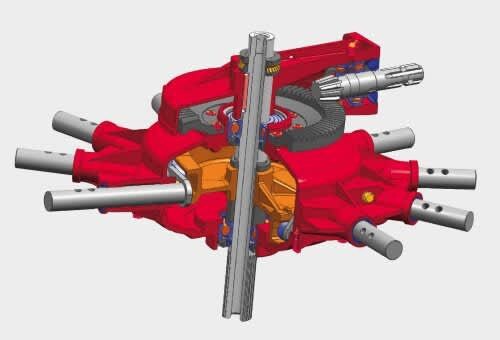
CompactLine Gearbox
|
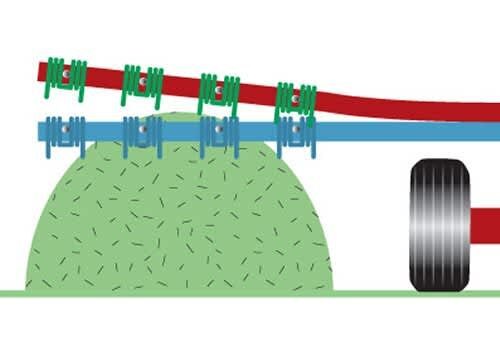
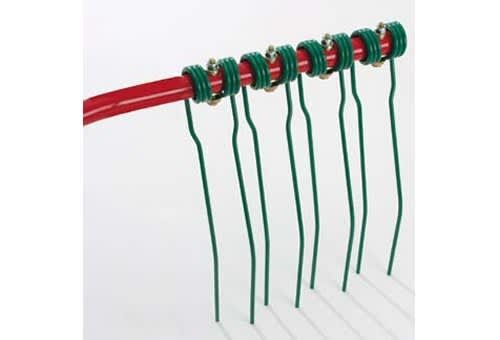
Curved Tine Arms
|
highlights
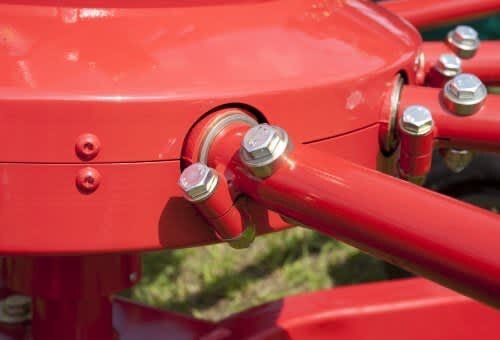
Maintenance-friendly_rotor_head
Curved_tine_arm_for_cleaner_raking_performance
Compact_design_with_low_horsepower_requirements
Very_lightweight_construction_for_small_tractors
Documents
-

Kverneland-9000 Rakes-EN.pdf
| QUICK LINKS |



LIKE | FOLLOW | SHARE




Copyright© 2026 Maxville Farm Machinery Ltd. - All Rights Reserved - AODA Accessible Web Site - Powered by Turn Key Web Solutions - Privacy Policy